In This Section
- Impact of changes to employment permits and visas for healthcare workers
- Northern Ireland
- The Benefits of Being a Locum Doctor
- Why Being a Locum Doctor is a Smart Career Choice
- The Role of a Locum SHO in Ireland's Healthcare System
- Working as a Locum Doctor in the HSE: What You Need to Know
- A Comprehensive Guide to GP Jobs and Agency GPs in Ireland
- The Importance of Locum Anaesthetic Registrars and Anaesthetists in Ireland
- Jobs for Doctors in Ireland: Exploring Opportunities and Growth
- Navigating the Locum Registrar Role in Ireland: Tips and Insights
- Why Locum Consultants Are Vital for Healthcare in Ireland
- 10 Advantages of Being a Locum Doctor in Ireland
- How Locum Agencies in Ireland Support the Healthcare Sector
- January and July Changeover Advice
- A Comprehensive Overview of the Registration Requirements for the Irish Medical
- Understanding the Requirements for Working as a Psychiatrist in Ireland
- How to Find the Perfect Locum Doctor or Agency Doctor for Your Practice
- The Impact of Technology on the Work of Locum Doctors
- The Ultimate Guide to Finding and Working with a Locum GP Agency
- Advantages of Utilizing Agency SHOs
- Proactive Strategies for Healthcare Organisations This Winter
- Exploring Medical Opportunities in Ireland as a New Locum Doctor
- Discovering Ireland: A Haven for Medical Professionals Seeking Work-Life Balance
- 5 Strategies for Locum Doctors to ensure a Work Life Balance.
- Setting Goals for Success as a Locum Doctor
- Tips To Help With Your Night Shifts
- Crafting a CV as a Locum Doctor
- Exploring the Exciting Routine of a Locum Doctor
- Simplify Your Path to Thriving as a Locum Doctor in Ireland
- A Day in the Life of a Locum SHO Doctor: Where Flexibility Meets Expertise
- 2024 Trends and Predictions for Locum Doctors
- 5 Essential Traits of Successful Locums in 2024
- From Permanent to Locum Doctor: How to Transition Successfully
- A Day in the Life of a Psychiatry Consultant
- Strategies to Enhance Your Earnings as a Locum Doctor in Ireland
- Navigating the Path to Success: Medical Oncology Consultant Jobs in Ireland
- Mastering Success as a Locum Doctor: Navigating Clinical Excellence and Business
- The Advantages of Leveraging Locum Doctors for Rural Communities in 2024
- Discovering the Potential of Embracing a Balanced Routine as a Locum GP
- Emphasizing Patient-Centred Care in General Practice
- Unveiling the Earnings of Locum Doctors in Ireland: A Comprehensive Guide
- From Diagnosis to Treatment: Generative AI, Changing the Way Locum Doctors Work
- Locum Express and the Shift Towards Universal Care
- Why Work as a Locum Doctor in Ireland with Locum Express
- Embarking on Your First Locum Doctor Shift: A Guide to Success
- Why Doctors Choose to Work in Ireland
- The Benefits of Taking Locum Positions in Ireland Over the Summer
- Top 10 Tips for Locum Doctors in Ireland
- Why Medical Graduates Should Choose Locum Work
- Understanding and Supporting the LGBTQ+ Community: A Guide for Locum GPs
- Embracing the Flexibility of Working as a Locum Doctor
- Navigating Stress as a Locum Doctor
- Success Stories of Locum Doctors in Rural Ireland
- Sustainable Practices for Locum Doctors: Reducing Carbon Footprint in Healthcare
- Top Skills Every Locum Doctor Needs to Succeed
- Locum and Permanent GP Jobs in Ireland
- Balancing Clinical Work and Research as a Locum Doctor: 10 Tips for Success
- The Essential Role of a Locum SHO in the Irish Healthcare System
- Mental Health Support for Locum Doctors
- Navigating Your Medical Career Transition to Ireland: A Comprehensive Guide
- Achieving Work-Life Balance as a Locum Doctor: Strategies for a Healthier Career
- Why Ireland is a Great Place for Locum Psychiatrists
- Breaking Down the Specialties: Which Locum Roles Are in Highest Demand?
- Preparing for Winter: How Locum Doctors Can Stay Ready for Seasonal Demands
- How Locum Doctors Can Help Ease Winter Strain on Medical Centres
- 6 Tips for Staying Efficient During the Peak Winter Season
- Navigating Short-Notice Assignments
- Why More Doctors Are Choosing Locum Work
- Uncommon Perks of Locum Work Beyond Pay
- How to Format Your CV for Locum Roles: A Step-by-Step Guide
- Leveraging Locum Assignments for Career Development and Growth
- Emerging Trends and Predictions for Locum Doctors in Ireland in 2025
- 5 Essential Traits of Successful Locums in 2025
- How Much Can a Locum Doctor Make in 2025?
- New Year, New Goals: How Locum Doctors Can Set Career Resolutions for 2025
- The Path to Success: Medical Consultant Jobs in Ireland
- The Vital Role of Mentorship in Enhancing Locum Doctors' Careers
- Why Flexibility and Work-Life Balance Stand Out for Doctors Choosing Locum Work
- Locum Doctors and Rural Healthcare in Ireland: A Vital Partnership
- Understanding Tax Obligations as a Locum Doctor in Ireland
- The Benefits of a Fresh Start: Exploring New Locum Opportunities
- Staying Competitive and Adaptable as a Locum Doctor
- Spring Clean Your Career: Why Locum Work is the Perfect Refresh
- Gateway to GP Careers in Ireland: A Guide for International Doctors
- How Locum Express Supports Your Career Growth
- Find Your Perfect Medical Specialty Through Locum Work
- Take Control of Your Schedule This Summer: The Perks of Being a Locum Doctor
- Fancy a Chat? Catch Up with David from Locum Express Near You!
- Common Questions About Registering with Locum Express – Answered
- Building a Personal Brand as a Locum Doctor
- Mental Health and Well-being: Support Systems for Locum Doctors
- Locum Life: What a Week Looks Like for a GP vs Hospital Doctor
- Balancing Multiple Locum Assignments: Time Management and Self-Care Strategies
- Navigating the July Changeover: A Guide for New Locum Doctors
- Future of Specialty Locum Roles: Spotlights on ICU, ED & Elder Care in Ireland
- Digital Health Records & Locum Workflow: EMR Tips for Temporary Doctors
- Female Locum Doctors on Leadership, Flexibility, and Career Progression
- CPD & Annual Revalidation for Irish Registered Locums
- A Locum’s Calendar: When and Where Demand Peaks Throughout the Year
- How to Book Your Garda Vetting Appointment with Locum Express
- Tech Tools to Make Locum Life Easier
- Understanding Pension Implications for Locum Doctors in Ireland
- Financial Planning for a Variable Income: A Guide for Locum Doctors
- Insurance Essentials for Locum Doctors in Ireland
- Why Ireland is the Perfect Place to Work as a Medical Consultant
- New FemTech Report and What Consultants Should Know
- New Sleep Technology in Irish Hospitals: Clinical Insights for Doctors
- Expat Locum Diary: Navigating Homesickness, Paperwork, and Cultural Transition
- Trends in Locum Demand by Specialty: Which Specialities Are Growing Most
- The Modern Irish GP: Flexibility, Technology & New Models of Practice
- Cold Weather, Hot Skills: Why Resilience Matters for Locum Doctors This Winter
- Preparing for Flu Season: How Locum Doctors Support HSE & GP Practices
- Transitioning Back to Permanent Roles After Years as a Locum
- AI and Automation in Locum Healthcare: 2026 and Beyond
- Locum Work Across Republic & Northern Ireland: Key Differences Explained
- Advancing Your Academic Profile as a Locum Doctor
- Cultural Intelligence for International Locum Doctors
- Locum Rota Management: Night Shifts, On-Call & Weekends
- Health & Well-being for Locums: Sleep Hygiene, Travel Fatigue and Nutrition
- Locum Doctor Trends in Ireland 2026: What to Expect
- 7 Traits That Will Set Locum Doctors Apart in 2026
- Career Goals for 2026: How Locum Roles Can Help You Get There
- How to Build a Speciality Portfolio as a Locum Doctor in 2026
- Career Navigation in 2026: Mapping Your Next Steps as a Locum Doctor
- A Day in the Life of a Locum General Medicine Consultant
- Ireland’s Healthcare Workforce Forecast 2026: What Locum Doctors Should Expect
- Clinical Leadership for Locum Doctors: Skills You Didn’t Learn at Medical School
- Locum Parenting: Managing Family Life and Variable Schedules
- Medical Tourism & Locum Work: Opportunities in Destination Healthcare
- Living in Ireland as a Locum Doctor: Costs & Lifestyle Guide
- Ask a Recruiter: Your Locum Doctor Career FAQs Answered
- CPD Courses for Locum Doctors in Ireland
- The Importance of Clear Clinical Documentation for Locum Doctors
- Mastering Patient Communication as a Locum Doctor: Building Trust in Every Shift
- Managing Difficult Situations: A Practical Guide for Locum Doctors
- Managing Irregular Income as a Locum Doctor
- Reducing Clinical Risk: A Practical Guide for Locum Doctors in Ireland
- How to Become a High-Demand Locum Consultant in Ireland
- Burnout Warning Signs Every Locum Doctor Should Know
- Highest Paying Locum Doctor Roles in Ireland
- Common Mistakes New Locum Doctors Make, And How to Avoid Them
- Best Irish Cities for Locum Doctors: Cost, Lifestyle and Opportunity
- How Quickly Can You Start Working as a Locum Doctor?
- From SHO to Consultant: Using Locum Work to Accelerate Progression
- Clinical Handover Best Practice for Locum Doctors
- Why Healthcare Employers Value Repeat Locum Doctors
- Digital Organisation Tips for Locum Doctors in Ireland
- Saving for a Mortgage as a Locum Doctor in Ireland
- Why Reflection and Case Logging Matter for Locum Doctors
- Irish Workplace Culture for International Doctors
- Flexible Healthcare Careers in Ireland: The Future of Locum Work
- Meal Planning for Busy Locum Doctors in Ireland
- Retirement Planning for Career Locum Doctors
- When to Say No: Choosing the Right Locum Roles for Your Career
- Understanding Expenses You May Be Able to Claim as a Locum Doctor
- How to Become a Locum Doctor in Ireland in 2026
- Are Locum Doctors Self-Employed in Ireland?
- What Hospitals Look for When Booking Locums
- How to Stay Fit and Healthy While Working Rotating Shifts
Meal Planning for Busy Locum Doctors in Ireland
Working as a locum doctor can offer flexibility, variety and the opportunity to experience different clinical environments across Ireland. However, moving between hospitals, changing rotas and working long or irregular shifts can make maintaining a consistent routine difficult, particularly when it comes to food.
When schedules are unpredictable, it can be tempting to rely on hospital cafés, vending machines, takeaways or whatever happens to be available after a shift. Meal planning does not need to mean spending an entire Sunday preparing identical containers of food. For busy locum doctors, it is more about creating a flexible system that makes eating well easier, wherever the next placement or shift takes you.
Why Meal Planning Matters When You Work Locum Shifts
Doctors working temporary or locum assignments may experience a combination of early starts, night shifts, extended clinical days and travel between accommodation and healthcare facilities.
Ireland's HSE recommends eating regular meals and snacks, planning meals in advance and preparing meals using mostly fresh ingredients where possible. Planning ahead can also help reduce dependence on convenience and highly processed foods.
For locum doctors, the key is therefore not creating a perfect eating routine. It is having enough structure to cope when you’re working routine changes.
1. Plan Around Your Rota, Not the Calendar
Traditional meal planning often starts with Monday and ends with Sunday. For doctors, it can make more sense to plan around shifts.
Before shopping, look at your upcoming rota and identify:
- long clinical days
- night shifts
- days when you will be travelling
- days off when you have time to cook
- shifts where access to food may be limited.
Safefood recommends setting aside time to plan how many meals you will need and identifying occasions where meals need to be prepared in advance or produced quickly.
A doctor working three consecutive long shifts, for example, might prepare several lunches and dinners beforehand rather than planning seven completely different meals.
2. Build a Small Collection of Reliable Meals
You do not need dozens of recipes.
Develop five or six dependable meals that are quick to prepare, easy to transport and made using ingredients that are readily available in supermarkets across Ireland.
Options might include:
Breakfast: overnight oats with yoghurt and fruit, eggs on wholegrain toast or porridge with fruit and nuts.
Lunch: chicken or chickpea wraps, pasta salad, soup with wholegrain bread or rice bowls containing vegetables and a protein source.
Dinner: stir-fries, chilli, curries, tray-baked vegetables with chicken or fish, or simple pasta dishes.
Safefood recommends keeping a list of favourite meals and using leftovers when developing a weekly meal plan.
The objective is convenience and repeatability. After a demanding shift, knowing that dinner can be prepared quickly removes another decision from your day.
3. Think in Components Rather Than Complete Meals
Batch cooking does not necessarily mean preparing five portions of the same dinner.
Instead, prepare versatile ingredients.
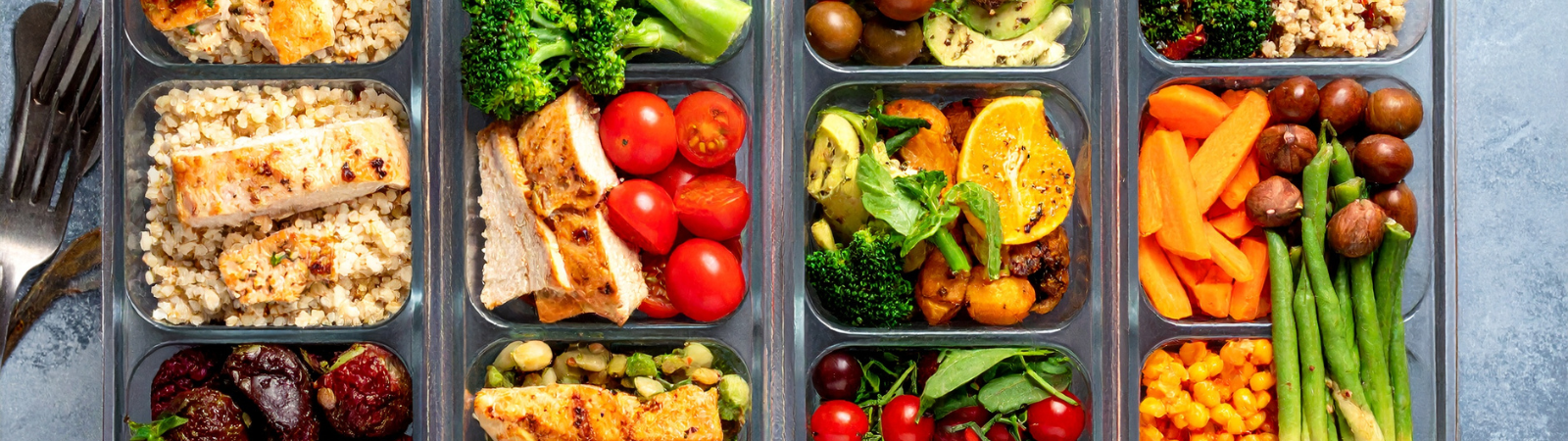
You could cook a batch of rice or another grain, roast vegetables, prepare chicken or another protein source and have salad ingredients ready in the fridge. These can then become different meals throughout the week.
The same ingredients might produce a rice bowl one evening, a wrap the following day and a salad for lunch.
It provides variety without requiring significant additional preparation.
Ireland's Healthy Food for Life guidance recommends using the Food Pyramid to help achieve a balanced diet across the day and week rather than expecting every individual meal to be perfectly balanced.
4. Have a Strategy for Night Shifts
Night work can make normal eating patterns particularly difficult.
Safefood's guidance for shift workers recommends having your main meal before beginning a night shift. A smaller meal can then be eaten after work if you are going directly to sleep.
Packing food also gives you more control over what is available during the night.
Useful options can include yoghurt, fruit, sandwiches, soups, nuts or pre-prepared meals that can be reheated where facilities are available.
Having several options with you can be much more practical than relying on what remains available in a hospital during the early hours of the morning.
5. Keep an Emergency Shift Kit
Some shifts will inevitably run longer than planned.
Keeping a few non-perishable options in your work bag, car or accommodation can help when your plans change.
Depending on your dietary requirements, this might include:
- unsalted nuts
- wholegrain crackers
- porridge sachets
- nut butter
- tinned tuna
- dried fruit
- shelf-stable snacks.
Fresh fruit such as bananas, apples or oranges can also be easy to bring to work.
The Healthy Ireland guidelines encourage a varied diet incorporating fruit, vegetables, wholegrains and other food groups as part of overall healthy eating.
6. Make Your Freezer Part of the Plan
If your accommodation has suitable freezer space, it can become one of the most useful meal-planning tools available.
When cooking chilli, curry, soup, stew or similar dishes, prepare additional portions and freeze them.
You then have your own convenient meal available when you arrive home late instead of starting from scratch.
The Irish Heart Foundation also highlights frozen and tinned foods as useful options when trying to eat well while controlling food costs.
For locums frequently changing accommodation, this approach may need adapting. Preparing just two or three days ahead can sometimes be more practical than traditional weekly batch cooking.
7. Don't Aim for Perfection
A locum doctor's rota can change quickly.
There will be days when you buy lunch at work, order a takeaway after a difficult shift or simply eat what is convenient.
That does not mean your meal plan has failed.
Think about meal planning as creating a reliable default rather than imposing strict rules. If most working days have a reasonable structure, the occasional unplanned meal matters far less.
The World Health Organization's updated healthy diet guidance emphasises variety and nutrient-dense foods including fruit, vegetables, wholegrains, legumes, nuts, seeds and appropriate animal-source foods.
A flexible approach is therefore likely to be more realistic for doctors than trying to follow an overly restrictive routine.
Flexibility Beyond Your Meal Plan
One of the attractions of locum work is having greater flexibility over when and where you work.
With a little preparation, your routines outside the hospital can become more flexible too.
Planning a handful of meals, keeping some emergency food available and preparing ingredients ahead of busy shifts can remove one small source of stress from an already demanding working day.
And if you are considering making your next career move, Locum Express can help make that side of life simpler as well.
We work with doctors seeking locum opportunities across Ireland, helping professionals explore roles that match their experience, availability and career goals.
Looking for your next locum opportunity? Explore our latest locum doctor jobs or speak with the Locum Express team to discover roles that could fit around the way you want to work.